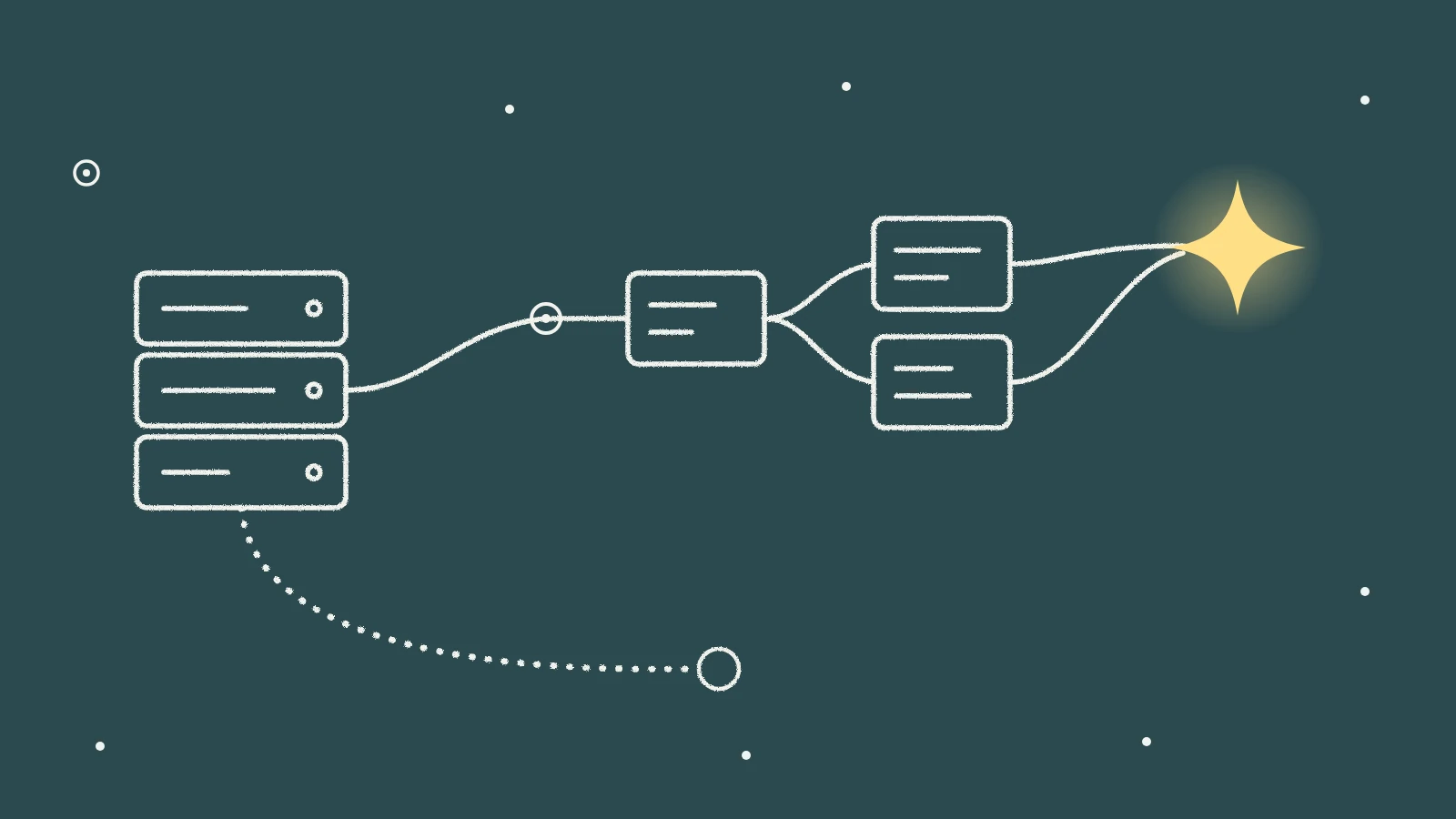
Quick summary: The HiBob integration syncs people data from your HR system into Operating so staffing decisions run on current information. You choose what flows: employee IDs, names, roles, seniority levels, and sites, plus HiBob groups that map to Operating's business units, departments, and practice areas, along with custom fields and skills. Approved time off arrives as Confirmed allocations and pending requests as Tentative, so capacity forecasts reflect real availability without manual re-entry.
Your HRIS already knows your people. Now your PSA can too.
Consulting firms run on people. Who's available, what they're good at, where they sit, when they're on leave — these aren't HR details. They're operational inputs. Every staffing decision, every capacity forecast, every utilization report depends on this data being accurate and current.
The problem is that this data lives in your HRIS, and your resource planning lives somewhere else. So someone — usually an ops person who has better things to do — manually keeps them in sync. New hire starts Monday? Someone updates the HRIS, then updates the PSA. Consultant moves to a new office? Same drill. Parental leave approved? Update it in two places and hope nothing falls through the cracks.
We built the HiBob integration to close that gap.
You control what flows and what doesn't
Not every HRIS field belongs in your resourcing tool. Your org probably tracks dozens of employee attributes in HiBob — some are critical for operations, others aren't. The integration lets you decide exactly what syncs to Operating and what stays in HiBob.
Here's what most firms choose to bring across:
The basics that keep your people data clean. Employee ID, names in all formats (so your invoices, reports, and staffing views all show the right thing without anyone manually fixing them), roles, seniority levels, and sites. When someone gets promoted from Senior to Lead, or transfers from the Helsinki office to London, it updates in Operating automatically. No one has to remember to do it.
Skills, groups, and custom fields for staffing and reporting. This is where it gets interesting. HiBob groups map to Operating's organizational structure — business units, departments, teams, practice areas. If your firm tracks which people belong to the AI & Data practice, or the advisory team, or even the office chess club, those memberships can flow into Operating and immediately become available for filtering, staffing, and reporting. Custom fields work too, so whatever taxonomy your firm has built in HiBob doesn't need to be rebuilt from scratch.
Time off plans — with the right status. Approved leave comes into Operating as Confirmed allocations. Pending requests come in as Tentative. This means your staffing managers see realistic availability without having to cross-reference two systems. When someone's two-week holiday gets approved in HiBob, it's already reflected in their Operating timeline. No delay, no manual entry, no "I didn't know they were off that week" surprises when a project needs to be staffed.Why this matters for running a consulting businessThe value isn't the sync itself — it's what the sync makes possible.
Staffing decisions based on current reality. When a new project comes in and you need a senior developer in Stockholm available in June, you're searching against data that actually reflects who's there, what they do, and when they're free. Not data that was accurate two weeks ago.
Onboarding that doesn't start with data entry. When a new consultant joins and gets added to HiBob, their Operating profile is ready for allocation. Role, site, skills, group memberships — already populated. Your staffing team can start planning their first project before day one.
One fewer system to maintain manually. Every hour your ops team spends copying data between systems is an hour they're not spending on work that actually requires judgment — like resolving staffing conflicts, catching projects at risk, or preparing the monthly close. For a firm trying to run lean operations, eliminating this kind of manual overhead matters.
Time off that doesn't break your forecast. Capacity planning is only as good as the leave data behind it. If your forecast doesn't know about approved holidays, it's lying to you. Pulling time off directly from HiBob — with the confirmed/tentative distinction intact — means your projected availability numbers are actually trustworthy.
The bigger picture
Most consulting firms end up with a fragmented data landscape: people data in the HRIS, projects and billing in the PSA, deals in the CRM, financials in the ERP. Each system is good at its job, but nobody has the complete picture.
The HiBob integration is one piece of connecting that landscape. When your people data flows cleanly from where it's managed (HiBob) to where it's used for operational decisions (Operating), you remove an entire category of manual work and data quality issues. That's one less reason to distrust the numbers — and for a consulting firm, trusting the numbers is everything.